
How to Read Whitewater: Mastering Currents, Eddies, and Hazards for Safe Kayaking
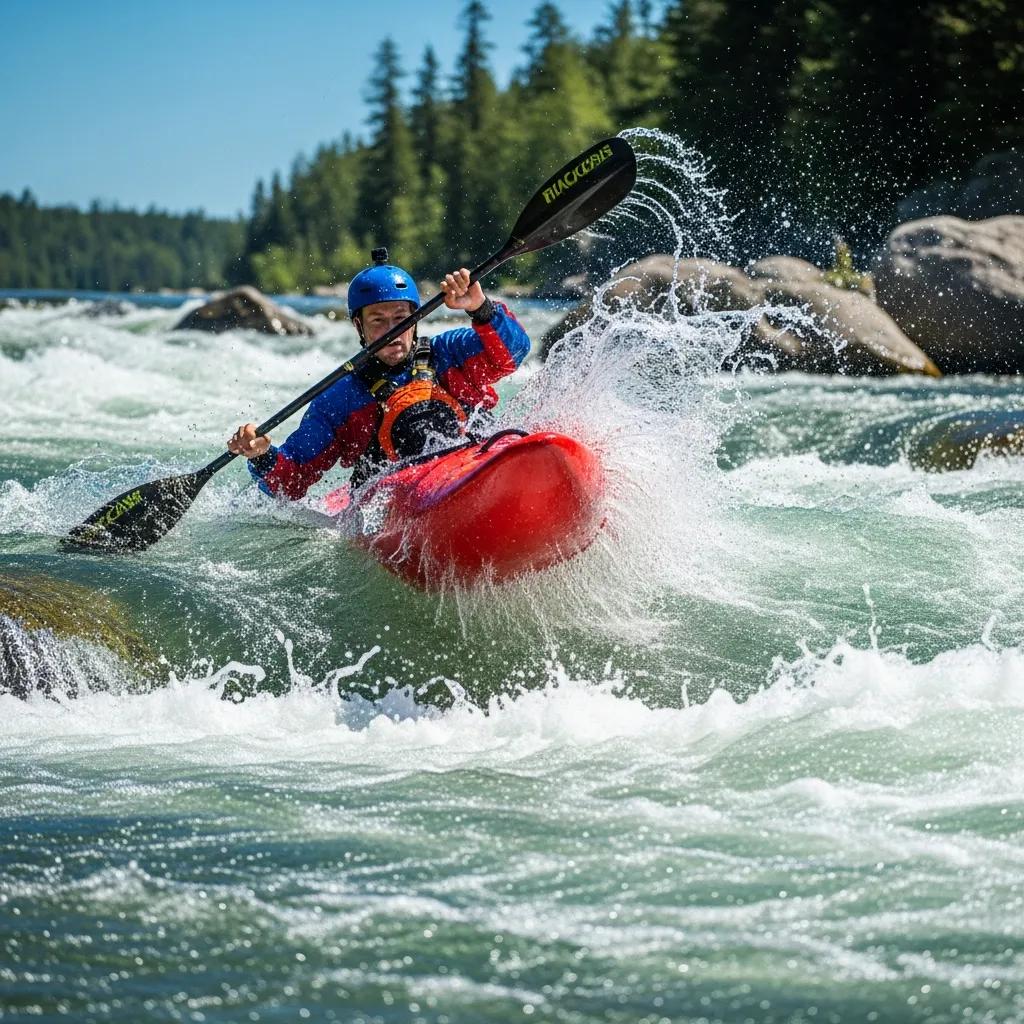
Reading whitewater is an essential skill for any kayaker, as it involves understanding the dynamics of river currents, eddies, and potential hazards. This comprehensive guide will equip you with the knowledge needed to navigate whitewater safely and effectively. By mastering these skills, you can enhance your kayaking experience, ensuring both safety and enjoyment on the water. Many paddlers struggle with identifying currents and hazards, which can lead to dangerous situations. This article will provide insights into how to read whitewater, identify hazards, and utilize eddies for navigation. We will explore key concepts such as river currents, common hazards, and essential safety techniques, all while integrating the offerings from Canoes Plus Adventure Experience to enhance your learning journey.
Understanding the critical role of informed choices, especially when facing unexpected challenges, is paramount for safe whitewater navigation.
Whitewater Safety: Decision-Making in Accidents
This grounded theory study examined the decision-making process of individuals involved in a whitewater critical incident or accident. The decision-making literature in the outdoor adventure education texts is incomplete and under-theorized. Participants in this study engaged in in-depth conversations regarding their critical incident or accident experiences in whitewater boating. Eight cases involved recreational whitewater kayaking with once case involving commercial rafting.
Understanding the decision-making process of individuals involved in a whitewater critical incident or accident: A grounded theory study, 2014
What Are River Currents and How Do They Affect Whitewater Navigation?
River currents are the flow of water in a river, which can vary in speed and direction. They significantly affect whitewater navigation by influencing the difficulty of paddling, the safety of the route, and the overall experience for kayakers. Understanding these currents is crucial for planning trips, as they can change with weather patterns and seasonal variations. Paddlers must be aware of the river's layout, potential hazards, and optimal conditions to navigate safely and effectively.
What Is the Difference Between Laminar and Turbulent Flow in Rivers?
Laminar flow refers to smooth, parallel layers of water moving in the same direction, which is typically found in slow-moving or very shallow rivers. In contrast, turbulent flow is characterized by chaotic, swirling water, often seen in faster currents and rapids. Understanding these flow types is essential for kayakers, as turbulent flow can create challenging conditions that require advanced paddling skills.
How Do Current Speed and Depth Influence Kayaking Safety?
Current speed and depth significantly influence kayaking safety by affecting the river's navigability and the potential hazards present. Paddlers must be aware of rapidly changing conditions, which can be influenced by weather patterns and seasonal variations in flow. It is crucial for kayakers to check local guides or online resources for real-time updates on river conditions before embarking on their trips. Additionally, understanding the river's layout, including the location of obstacles like logs and boulders, is essential for a safe experience.
How Can You Identify and Use Eddies and Eddy Lines While Paddling?

Eddies are areas of calm water that form behind obstacles in the river, such as rocks or bends. They can be used strategically by paddlers to rest, regroup, or change direction. Recognizing eddies and their lines is vital for effective navigation in whitewater.
What Is an Eddy and How Does It Form Behind River Obstacles?
An eddy forms when the current flows around an obstacle, creating a circular motion of water that moves in the opposite direction of the main current. This phenomenon allows paddlers to find a safe spot to pause or maneuver without being swept downstream. Understanding how eddies form helps kayakers utilize them effectively during their trips.
How Do You Recognize Eddy Lines and Perform Safe Eddy Turns?
Eddy lines are the boundaries between the fast-moving current and the calm water of the eddy. Recognizing these lines is crucial for executing safe eddy turns, which involve entering the eddy at an angle to maintain control. To perform a safe eddy turn, approach the eddy line at a slight angle, use your paddle to steer, and lean into the turn to maintain balance.
What Are Common Whitewater Hazards and How Can You Spot Them?
Identifying common hazards in whitewater is essential for ensuring safety while paddling. Hazards can include rocks, holes, strainers, and undercuts, each presenting unique risks to kayakers.
How to Identify Holes, Hydraulics, and Their Risks in Rapids
Holes, also known as hydraulics, occur when water flows over an obstruction, creating a recirculating current that can trap kayakers. To identify these hazards, look for areas where the water appears to be swirling or boiling. Understanding the risks associated with hydraulics is crucial, as they can capsize a kayak or trap a paddler underwater.
What Are Strainers, Undercuts, and Pillows and How to Avoid Them?
Strainers are obstacles, such as fallen trees, that allow water to flow through but can trap paddlers. Undercuts are areas where the water flows beneath a rock or ledge, creating a dangerous situation for kayakers. Pillows are formed by water piling up against an obstacle, creating a risk of capsizing. To avoid these hazards, always scout the river ahead and familiarize yourself with the layout before launching.
How Do You Navigate Rapids Using the Downstream V and Other River Features?
Navigating rapids requires understanding various river features and how they interact with the current. The downstream V is a key feature that indicates the safest route through rapids.
What Is the Downstream V and Why Is It the Safest Route?
The downstream V is formed by the convergence of currents around obstacles, creating a V-shaped pattern in the water pointing downstream. This formation indicates the path of least resistance and is typically the safest route through rapids. By following the downstream V, kayakers can avoid hazards and maintain control.
How to Read Wave Trains and Scout Rapids for Optimal Lines
Wave trains are sequences of waves created by the current flowing over obstacles. To read wave trains effectively, observe their patterns and adjust your paddling technique accordingly. Scouting rapids before entering allows paddlers to identify the best lines and avoid potential hazards, ensuring a safer experience.
What Essential Safety and Rescue Techniques Should Every Whitewater Paddler Know?

Every whitewater paddler should know the following essential safety and rescue techniques:
- Wear Appropriate Safety Gear: Always wear helmets and personal flotation devices (PFDs).
- Scout the River: Familiarize yourself with the rapids and potential hazards before launching.
- Stay Informed: Check current weather patterns and water levels, as they significantly impact safety and navigability.
- Plan for Portage: Identify suitable take-out points and be aware of portage options around obstacles.
- Understand River Conditions: Know the seasonal variations in flow and river conditions to plan trips effectively.
These techniques are crucial for ensuring a safe and enjoyable experience on the water. Canoes Plus Adventure Experience offers safety training programs that cover these essential skills, helping paddlers build confidence and competence in whitewater environments.
Further emphasizing the importance of structured learning, comprehensive instruction is key to mastering the diverse skills and safety protocols required for whitewater kayaking.
Whitewater Kayaking Instruction: Skills & Safety
This paper briefly presents ideas and techniques that can facilitate effective whitewater kayaking instruction. Instructors often focus so much on the mechanics of specific skills that they overlook less obvious, but equally important, aspects of instruction. Sections of this report cover wet exits from the kayak, proper posture, the Eskimo rescue, the instructor rescue, forward strokes, the sweep stroke, the stern draw, the Eskimo roll, and issues of risk and student judgment.
Whitewater Kayaking Instruction: Skills and Techniques., R Poff, 2000
Which Personal Protective Equipment Is Crucial for Whitewater Kayaking?
Personal protective equipment (PPE) is vital for ensuring safety while kayaking. Essential items include:
- Helmets: Protect against head injuries from impacts with rocks or other obstacles.
- Personal Flotation Devices (PFDs): Ensure buoyancy and keep paddlers afloat in case of capsizing.
- Wetsuits or Dry Suits: Provide thermal protection in cold water conditions.