
Mastering the Kayak Roll: Essential Whitewater Kayak Roll Techniques
By Dita Pahl, Canoes Plus Adventure Experience
The kayak roll is a foundational whitewater skill every paddler should master to improve safety and enjoyment on the water. It lets a paddler right their kayak after an unexpected capsize, reducing the risk of drowning and other hazards. This guide explains essential techniques, safety skills, best practices for practice sessions, and beginner-focused advice. It also covers the roll’s role in whitewater safety and provides practical gear recommendations and course options from Canoes Plus Kayak School.
Essential Techniques for the Kayak Roll
Successful rolls depend on a handful of core techniques that produce a smooth, reliable motion. Learning these steps builds the foundation for skill development.
Set Up: Begin by positioning yourself correctly in the water, ensuring you have enough momentum and a proper grip on your paddle.
Initiate the Roll: Lean away from the water, keeping your body compact and your paddle close to the kayak.
Use Your Paddle: Utilize your paddle effectively to support your weight and help initiate the roll. Paddle against the water at the right angle.
Hip Snap: Engage your hips to propel your body out of the water. This movement is crucial in lifting your kayak back upright.
Finish the Roll: As you near the upright position, bring your paddle back to the surface and brace it to stabilize yourself.
These techniques are the bedrock of an effective roll and the starting point for further refinement.
Safety Skills
Drilling the roll must be paired with solid safety skills to keep practice controlled and secure. Kayakers should master these basics before advancing to more complex techniques.
Wet Exits: Knowing how to exit your kayak safely after a flip is vital. Practice this skill regularly to ensure you're prepared.
Buddy System: Kayaking with a partner not only makes the activity safer but also provides immediate support if a roll attempt fails.
Know Your Environment: Be aware of the water conditions and hazards in your area. Understanding the environment is crucial when practicing rolls.
Following these safety measures reduces the risk of accidents and makes practice sessions safer and more productive.
Best Practices
Applying targeted best practices speeds learning and improves rolling proficiency.
Practice in Calm Water: Begin your practice in controlled conditions to build confidence before taking on challenging waters.
Progress Gradually: Start with basic rolls and gradually increase the complexity of your practice sessions as your skills improve.
Seek Instruction: Consider enrolling in classes at Canoes Plus Kayak School, where professionals can provide guided assistance and tailored feedback to bolster your learning.
Use these guidelines to build confidence and consistency in your roll, which leads to a more enjoyable paddling experience.
What Is the Kayak Roll and Why Is It Essential for Whitewater Safety?
The kayak roll, or Eskimo roll, lets a capsized paddler return upright without exiting the boat. In whitewater, this technique is essential for avoiding the hazards of being submerged and for maintaining self-reliance and confidence in demanding conditions.
Grasping launch timing, body position and paddle placement is key to a reliable roll. Mastery reduces accidents and increases control when conditions turn unpredictable.
How Can Beginners Progress Through Kayak Roll Techniques Effectively?
Beginners should follow structured steps to progress steadily and avoid feeling overwhelmed.
Step-by-Step Progression: Break down the rolling process into manageable components. Focus on perfecting each part before combining them.
Common Mistakes: Be mindful of typical pitfalls, such as failing to use your paddle effectively or not engaging your hip snap properly.
Seek Instruction: Taking courses, such as those offered by Canoes Plus Kayak School, can provide valuable insights, making learning less intimidating.
Apply these approaches consistently and you'll develop a dependable roll with growing confidence and skill.
What Safety Protocols and Gear Are Essential for Practicing Kayak Rolls?
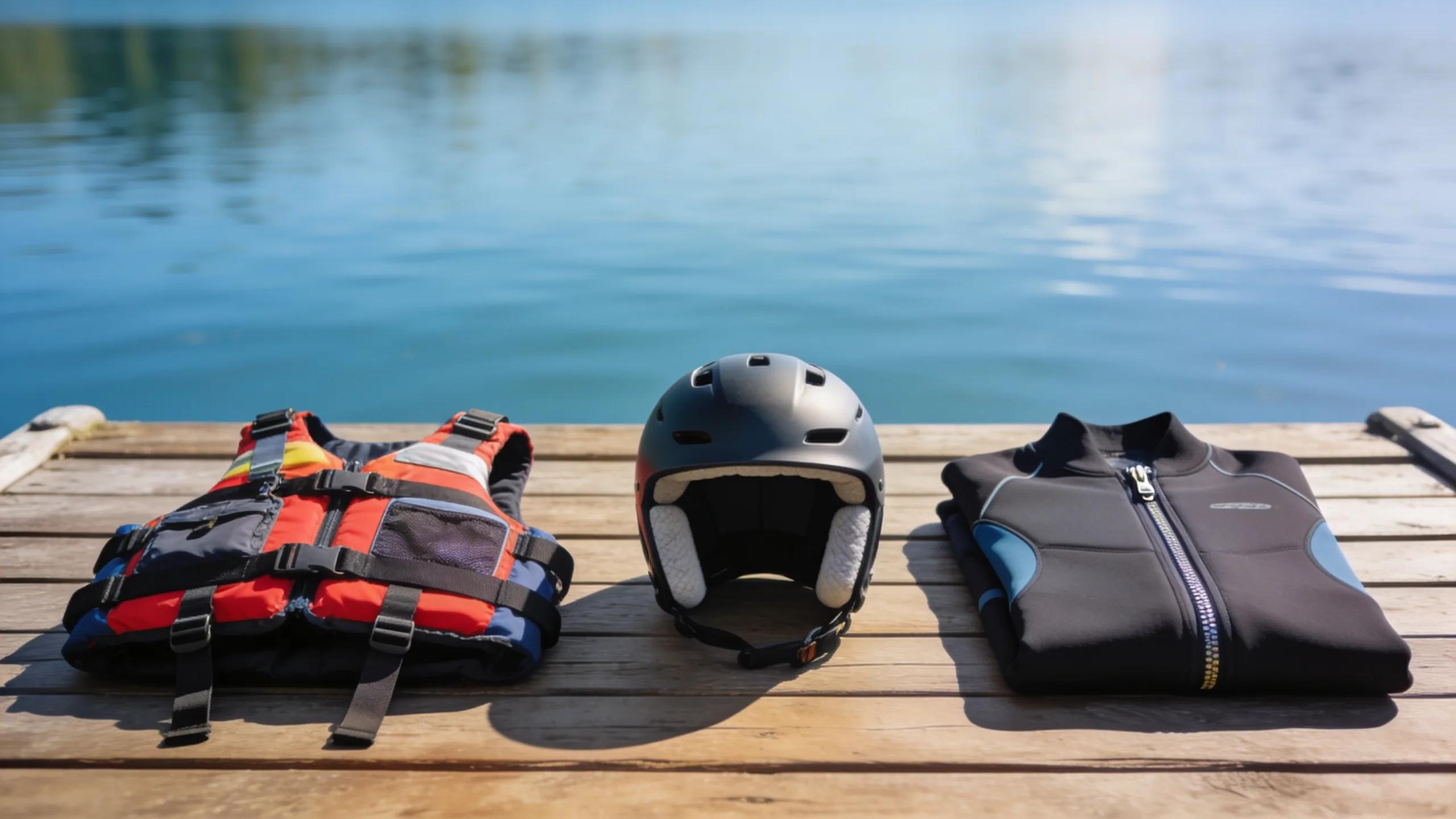
Appropriate gear and strict safety routines are essential when practicing rolls. Proper equipment protects you and supports longer, more effective sessions.
Personal Flotation Device (PFD): Always wear a PFD designed for kayaking to ensure you stay afloat if you capsize.
Helmet: A helmet protects your head from potential impacts with rocks and other hazards in the water.
Wetsuit or Dry Suit: Depending on water temperatures, a wetsuit keeps you warm, allowing you to practice comfortably for longer periods.
Wearing suitable kit and following protocols makes practice safer and more comfortable.
How Does Packrafting Adapt Kayak Roll Techniques for Versatile Whitewater Use?
Packrafting adapts traditional roll techniques to lighter, more agile craft that handle tight lines differently than kayaks.
Differences Between Kayak and Packraft Rolls: The rolling technique often varies slightly due to the different shapes and weights of these watercraft.
Safety Considerations: In packrafting, maintaining stability is crucial during maneuvers. Understanding how these differences affect your rolling ability is essential.
Skill Adaptations: Kayakers must modify their rolls to accommodate the wider, more buoyant structure of packrafts, enhancing versatility when navigating through various water challenges.
Recognising these differences improves your versatility as a paddler and highlights the value of mastering core techniques across craft types.
Frequently Asked Questions
What common challenges do kayakers face when learning the roll technique?
Common challenges include incorrect body position and weak hip engagement. Other frequent faults are keeping the paddle too far from the body or lacking initiation momentum. Practicing in calm water and getting instructor feedback helps build correct muscle memory and speeds correction.
How often should one practice the kayak roll?
Practice regularly—aim for one to two focused sessions per week, adjusted for skill and availability. Regular drills and full rolls reinforce muscle memory and comfort; over time this improves efficiency and confidence on the water.
Can practicing the kayak roll be beneficial outside of whitewater kayaking?
Yes. Roll training improves balance, coordination and spatial awareness useful in sea kayaking and surf. The mental resilience gained also helps you handle unexpected situations calmly, boosting both safety and enjoyment.
What role does weather play in practicing kayak rolls?
Weather directly affects roll practice. Calm, mild conditions are best for focusing on technique; chop, wind or heavy rain increases capsizes and disrupts form. Check forecasts and choose practice days that prioritize safety and steady learning.
Are there online resources available for learning the kayak roll?
Yes. Video tutorials, webinars and instructional articles from reputable organizations offer useful techniques. Following experienced paddlers on social media can provide varied tips, but pair online learning with in-person instruction for practical feedback.
How can family members or friends help support your kayak rolling practice?
Friends and family can act as spotters and provide immediate assistance if a roll goes wrong. They also offer encouragement and practical feedback. Group practice creates a supportive learning environment that reduces anxiety for beginners.